Volume 27, Number 3
Moatasim A. Barri
Taibah University, Medina, Saudi Arabia
The literature has highlighted the importance of engaging students in online learning through multiple forms of interaction: student-content, student-instructor, and student-student interactions. While the quality of interaction plays a significant role in either enhancing or undermining students’ motivation to learn, anxiety has remained a persistent challenge. Limited research has examined the indirect relationships between each of the three forms of interaction and motivation through the lens of anxiety. This study aimed to investigate the mediating role of anxiety in the relationships between the forms of interaction quality and student motivation in university-level online courses. Data were collected from 140 students via an online survey, and multiple procedures ensured instrument validity. Structural equation modeling was used to evaluate research hypotheses. The research model revealed a good fit with the collected data based on the recommended goodness-of-fit indices. Findings revealed that anxiety fully mediated the relationships between student-content and student-instructor interactions and motivation, and partially mediated the relationship between student-student interaction and motivation. These results suggested that instructors should carefully consider the quality of all three types of interaction when designing and delivering online courses, with the goal of reducing students’ anxiety and supporting their motivation to learn.
Keywords: online learning, anxiety, motivation, interaction quality, postsecondary education
The demand for online postsecondary education has grown rapidly (Xia et al., 2022) due to increasing student numbers and constraints on space, time, and scheduling (Lu et al., 2024). In response, many institutions have shifted from face-to-face to online delivery, especially for theoretical courses (Xia et al., 2022). Online learning may be synchronous (Banna et al., 2015; Majewska & Zvobgo, 2023), asynchronous (Lu et al., 2024), or blended (Yamagata-Lynch, 2014), offering students flexibility to learn from anywhere (Martin & Bolliger, 2022). However, online learning places greater demands on instructors (Conklin & Dikkers, 2021), who are expected to implement strategies tailored to the online environment across multiple areas, including teaching (Mahmood, 2021), assessment and evaluation (Martin et al., 2019), facilitation (Martin, Polly, & Ritzhaupt, 2020; Conklin & Dikkers, 2021), and interaction (Abrami et al., 2011; Banna et al., 2015; Martin & Bolliger, 2018). A comprehensive review by Baldwin et al. (2018) indicated that interaction was one of the key criteria in many rubrics used to design, deliver, and evaluate high-quality online courses.
Interaction has been defined as a reciprocal event involving at least two objects and actions that mutually influence each other (Wagner, 1994) and it has long played a critical role in shaping the quality of the online learning experience. Bernard et al. (2009) identified three key forms of interaction: student-content (SC), student-instructor (SI), and student-student (SS), as originally conceptualized by Moore (1989). The quality of these interactions predicts student satisfaction (Wang et al., 2024), engagement (Limbu & McKinley, 2025), and learning outcomes (Quadir et al., 2019). To optimize SC, SI, and SS interactions, online courses should include both synchronous and asynchronous components (Banna et al., 2015; Martin, Wang, & Sadaf, 2020; Yamagata-Lynch, 2014).
Motivation has been defined as an internal state that drives students to act, pursue goals, and stay engaged (Ormrod, 2008). Research has shown that postsecondary online learners often report low motivation due to limited or poor SI and SS interactions (Esra & Sevilen, 2021; Lin et al., 2017; Xia et al., 2022). Low-quality SC interaction, resulting from (a) unclear instructions; (b) ineffective feedback; (c) a mismatch between students’ expectations and course content; (d) poor course organization (Esra & Sevilen, 2021); and (e) dissatisfaction with the format and quality of course content and delivery (Xia et al., 2022) has also contributed to reduced motivation. Overall, studies indicated that student interaction positively predicted motivation (Çebi, 2023). Peer interaction further enhanced motivation directly and indirectly by reducing technological and communication barriers (Kulal et al., 2025). Additionally, intrinsic motivation has been positively related to SC, SI, and SS interactions (Jung et al., 2025).
Anxiety has been defined as a feeling of concern, uneasiness, and apprehension about uncertain situations (Ormrod, 2008) and has been the most commonly reported negative emotion among online postsecondary students (Xu & Wang, 2023). These students experienced higher anxiety than those in lower educational levels (Xu & Wang, 2023) or traditional classrooms (Li et al., 2024). Anxiety has been positively linked to low motivation in online learning (Peng et al., 2024). Research has also shown that low-quality interaction contributed to elevated anxiety: discomfort with instructor capacity and communication increased general and technology anxieties (Ritzhaupt et al., 2022), and separation from instructors and peers, along with technological challenges, positively predicted online learning anxiety (Peng et al., 2024).
Recent studies provided important insights into the relationships between interaction and different forms of anxiety. Lu et al. (2024) found that SI and SS interactions indirectly reduced test anxiety through emotional engagement, while SI interaction directly reduced test anxiety. Wut and Wong (2024) showed that interaction quality directly reduced performance and technology anxieties and indirectly alleviated psychological distress by reducing these anxieties in online learning environments. Additionally, an interactive online educational environment that enhanced student interaction with instructors, peers, and content had a significant impact on reducing general anxiety among postsecondary students (Wang, 2024).
Existing research has primarily examined interaction, motivation, and anxiety separately or has focused only on the direct relationships among them. However, very limited work has explored whether general anxiety serves as a connecting pathway between the quality of SC, SI, and SS interactions and student motivation in online postsecondary education. To address this gap, the present study examined the indirect relationships between interaction quality and motivation through general anxiety, offering a more comprehensive understanding of how different forms of interaction may support motivational outcomes in online learning environments.
Interaction is a central element of online course design (Baldwin et al., 2018; Martin et al., 2021) and includes engagement with content, communication with instructors, and collaboration with peers (Bernard et al., 2009; Majewska & Zvobgo, 2023; Moore, 1989). High-quality interaction is typically supported through a combination of asynchronous and synchronous components (Yamagata-Lynch, 2014; Martin, Wang, & Sadaf, 2020; Martin & Bolliger, 2022). Asynchronous elements provide students with flexibility and autonomy in managing their learning (Jacobi, 2018), whereas synchronous elements promote real-time interaction and relatedness (Banna et al., 2015; Conklin & Dikkers, 2021; Jacobi, 2018; Majewska & Zvobgo, 2023), Together, these elements enhance students’ engagement and a sense of competence (Martin, Wang, & Sadaf, 2020).
The current study used self-determination theory (SDT), developed by Deci and Ryan (1985), as a framework to evaluate the quality of interaction in terms of three psychological needs—autonomy, competence, and relatedness. SDT emphasizes that motivation strengthens when these needs are fulfilled (Ryan & Deci, 2017). SDT was selected as the primary framework because it provides an explicit mechanism linking interaction quality to students’ basic psychological needs, which are closely associated with anxiety and motivation. Online course designs that support choice, mastery, and social connection are associated with engagement, intrinsic motivation, retention, and learning outcomes (Martin et al., 2018; Hsu et al., 2019; Shank et al., 2025).
The first psychological need in SDT is autonomy, which refers to experiencing control, independence, and ownership over one’s actions (Ryan & Deci, 2017). Autonomy is fostered when courses provide flexibility through (a) asynchronous learning materials that allow self-paced engagement, and (b) asynchronous communication channels that enable students to connect with instructors and peers at their convenience (Jacobi, 2018; Martin et al., 2018). The second basic psychological need in SDT is competence, which refers to feeling effective and capable of achieving desired outcomes. It is fostered when courses include (a) clear instructions and expectations for performance and communication, (b) timely and clear instructor feedback, and (c) collaborative activities that provide an optimal level of challenge (Jacobi, 2018; Martin et al., 2018; Shank et al., 2025). The third basic psychological need in SDT is relatedness, which refers to feeling connected to others and experiencing a sense of belonging. Relatedness is fostered when courses include synchronous learning opportunities and communication channels that enable meaningful interaction with instructors or peers (Jacobi, 2018; Martin et al., 2018; Shank et al., 2025).
When these psychological needs were supported, students were more likely to engage cognitively, emotionally, and behaviorally (He et al., 2025; Huang & Wang, 2023), interact with instructors, peers, content, and the platform (He et al., 2025), feel competent and connected (Hsu et al., 2019), and perform optimally (Huang & Wang, 2023). In contrast, in courses lacking autonomy-, competence-, and relatedness-supportive features, students reported lower motivation (Esra & Sevilen, 2021; Hartnett, 2015; Lin et al., 2017; Xia et al., 2022) and higher anxiety (Ritzhaupt et al., 2022; Peng et al., 2024). SDT therefore provided a coherent framework for examining how interaction quality relates to anxiety and motivation in online learning.
Student-content interaction involves engagement with course materials, both asynchronously (e.g., readings, recorded lectures, assignments, discussion forums, projects, assessments) and synchronously (e.g., real-time presentations and demonstrations; Moore, 1989; Bernard et al., 2009). SC interaction is associated with active engagement and improved learning outcomes (Zimmerman, 2012; Nieuwoudt, 2018; Quadir et al., 2019).
In this study, SC interaction quality was conceptualized through SDT needs: (a) autonomy, reflected in asynchronous materials that enable self-paced engagement (Jacobi, 2018); (b) competence, reflected in clear instructions and expectations (Martin & Bolliger, 2018; Martin et al., 2018); and (c) relatedness, reflected in synchronous opportunities for interaction (Jacobi, 2018).
Student-instructor interaction involves communication and feedback that can occur synchronously (e.g., phone calls, live chats, virtual sessions) or asynchronously (e.g., e-mail, forums; Abrami et al., 2011; Banna et al., 2015). Students often prefer synchronous channels for direct communication (Conklin & Dikkers, 2021), while e-mail and forums have been valued for personal contact, rapport building, discussion, updates, and feedback delivered in multiple formats (Conklin & Dikkers, 2021; Glazier, 2016; Martin & Bolliger, 2018). SI interaction has been identified as the most important interaction type (Martin & Bolliger, 2018), positively associated with SC interaction quality (Majewska & Zvobgo, 2023), and linked to engagement, satisfaction, perceived learning, retention, and grades (Alqurashi, 2018; Glazier, 2016; Martin & Bolliger, 2018). Optimal SI interaction includes multiple communication channels and timely feedback to maintain connection and reduce isolation (Conklin & Dikkers, 2021; Martin & Bolliger, 2018).
In this study, SI interaction quality was conceptualized through SDT needs: (a) autonomy, supported by flexible asynchronous communication channels (Glazier, 2016; Conklin & Dikkers, 2021); (b) competence, supported by timely and effective feedback (Jacobi, 2018; Martin et al., 2018); and (c) relatedness, supported by synchronous tools enabling real-time connection (Jacobi, 2018; Conklin & Dikkers, 2021; Majewska & Zvobgo, 2023).
Student-student interaction refers to communication between peers in pairs or small groups, with or without instructor presence (Moore, 1989), and may occur synchronously (e.g., live sessions, chats) or asynchronously (e.g., forums, e-mail; Abrami et al., 2011). Effective online courses integrate both formats (Yamagata-Lynch, 2014; Martin & Bolliger, 2018), as students value synchronous peer interaction (Banna et al., 2015). SS interaction is associated with active engagement (Martin & Bolliger, 2018), improved learning outcomes (Quadir et al., 2019), and higher achievement, as supported by meta-analytic evidence (Bernard et al., 2009).
In this study, SS interaction quality was conceptualized through SDT needs: (a) autonomy, supported by flexible asynchronous peer communication channels (Jacobi, 2018; Martin et al., 2018); (b) competence, supported by optimally challenging collaborative activities (Martin et al., 2018; Shank et al., 2025); and (c) relatedness, supported by synchronous tools that foster real-time peer connection (Jacobi, 2018; Shank et al., 2025).
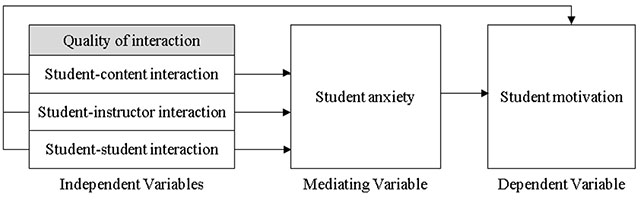
Figure 1 shows the research model, which included student anxiety as the mediator, interaction quality (SC, SI, SS) as the independent variables, and student motivation as the dependent variable.
Figure 1
Research Model
In this study, student anxiety referred to the extent to which students experienced concern while engaging in online learning environments due to a lack of autonomy, competence, and relatedness. Student motivation referred to the extent to which students experienced interest and willingness to engage in online learning based on perceived autonomy, competence, and relatedness. The literature has shown that online learning can enhance students’ motivation when the quality of interaction is high (Çebi, 2023; Jung et al., 2025; Kulal et al., 2025), but it can also heighten anxiety due to limited social interaction, technical challenges, isolation, weak two-way communication, or discomfort with instructor support (Peng et al., 2024; Ritzhaupt et al., 2022). Research has shown that online postsecondary students report higher anxiety (Li et al., 2024) and lower intrinsic and extrinsic motivation (Stark, 2019) than students in face-to-face settings. Anxiety among online learners has also been positively associated with lower motivation (Peng et al., 2024), suggesting that elevated anxiety can reduce students’ willingness to engage. Given these patterns, this study examined the direct relationship between anxiety and motivation as part of testing anxiety’s mediating role between the quality of each of SC, SI, and SS interactions and motivation. Accordingly, the following hypothesis was proposed:
H1: Student anxiety is negatively associated with their motivation toward online learning.
Literature on online postsecondary education has shown that interaction quality plays a key role in shaping student anxiety. Poor instructor communication or competence has been linked to higher anxiety (Ritzhaupt et al., 2022), with increased anxiety when students felt separated from instructors and peers or when they faced technological challenges (Peng et al., 2024). In contrast, high-quality SI interaction has been negatively associated with test anxiety (Lu et al., 2024), and strong interaction can reduce both performance- and technology-related anxieties (Wut & Wong, 2024). Interactive online environments that promote engagement with instructors, peers, and content has also helped alleviate anxiety (Wang, 2024). Accordingly, the current study examined the direct relationships between the quality of SC, SI, and SS interactions and student anxiety as a foundation for testing anxiety’s mediating role. The following hypotheses were proposed:
H2: The quality of SC interaction is negatively associated with student anxiety toward online learning.
H4: The quality of SI interaction is negatively associated with student anxiety toward online learning.
H6: The quality of SS interaction is negatively associated with student anxiety toward online learning.
Literature on online postsecondary education has shown that interaction quality is significantly associated with student motivation. Low levels of motivation have been linked to limited real-time SI and SS interaction, insufficient feedback and instructions, poor course organization, and mismatches between student expectations and content (Esra & Sevilen, 2021; Lin et al., 2017; Xia et al., 2022). Conversely, high-quality interaction with instructors, peers, or content has been shown to enhance motivation (Çebi, 2023; Jung et al., 2025; Kulal et al., 2025). The current study examined the direct relationships between SC, SI, and SS interaction quality and motivation as part of testing anxiety’s mediating role. Accordingly, the following hypotheses were proposed:
H3: The quality of SC interaction is positively associated with student motivation toward online learning.
H5: The quality of SI interaction is positively associated with student motivation toward online learning.
H7: The quality of SS interaction is positively associated with student motivation toward online learning.
In online postsecondary education, interaction quality has been shown to indirectly affect psychological outcomes through anxiety. For example, Wut and Wong (2024) found that interaction quality reduced psychological distress via performance and technology anxiety. Lu et al. (2024) showed that high-quality SI and SS interactions indirectly alleviated test anxiety through emotional engagement. Kulal et al. (2025) found that peer interaction indirectly enhanced motivation by reducing technology and communication barriers. However, there has been limited research on the indirect effects of SC, SI, and SS interaction quality on motivation through anxiety. Accordingly, the following hypotheses were proposed:
H8: Students’ anxiety mediates the relationship between the quality of SC interaction and their motivation.
H9: Students’ anxiety mediates the relationship between the quality of SI interaction and their motivation.
H10: Students’ anxiety mediates the relationship between the quality of SS interaction and their motivation.
The study population comprised undergraduate students in online courses at public universities in Saudi Arabia. Due to time and access constraints, a convenience sample was drawn from a single university in Medina.
A total of 140 undergraduate students completed the online survey, with no missing data or outliers. Most participants were male (84%), and nearly half were enrolled in community college (47.1%). Other disciplines included humanities (12.1%), business (9.3%), computer science (9.3%), medical science (7.9%), engineering (5%), science (4.3%), education (2.9%), and law (2.1%). Regarding technology use, 52.1% identified as intermediate users, 27.9% as experts, and 20% as novices. Most accessed the platform via smartphones (53.6%) or computers (40.7%), while a few used tablets (5.7%). Device availability and quality varied: 43.6% had no private access, 28.6% had outdated devices, 26.5% had unworkable devices, and 18.6% had out-of-order devices. Internet access was poor for 59.3%, expensive for 37.1%, and unavailable for 10.7%. Most participants reported sufficient knowledge and skills to use their devices (70%) and the learning management system (LMS; 73.6%). Multiple responses were allowed for device status and Internet access items; therefore, percentages may exceed 100%.
Ethical approval was obtained from the institutional review board of the participating public university. Undergraduate students received an email invitation containing the survey link, study purpose, and confidentiality assurances. Participation was voluntary, and participants provided electronic informed consent prior to completing the survey. Responses were collected anonymously.
The research instrument was an online survey with 23 items divided into two sections. The first section included eight demographic questions on gender, academic discipline, technology use, device type and status, Internet access, and knowledge/skills for using the device and LMS. The second section had 15 Likert-scale items, developed by the author from the literature on student anxiety, motivation, and interaction in online postsecondary education. These items were grouped into five dimensions—SC interaction, SI interaction, SS interaction, student anxiety (SA), and student motivation (SM)—each with three items (see Table 1). Items were randomly ordered, and participants responded on a five-point scale from 1 (strongly disagree) to 5 (strongly agree).
Table 1
Dimensions and Likert-Scale Items of the Research Instrument
| SDT need | Item | Variable |
| Student-content interaction | ||
| Online courses provide... | ||
| Autonomy | SC1 | asynchronous learning materials that I can engage with at my own pace (e.g., readings, recorded lectures, presentation slides, Web-based resources) |
| Competence | SC2 | clear instructions and expectations for my performance, participation, and communication |
| Relatedness | SC3 | synchronous learning materials that foster interaction with my instructor and classmates |
| Student-instructor interaction | ||
| Online courses provide... | ||
| Autonomy | SI1 | asynchronous communication channels for connecting with the instructor (e.g., e-mail, instructor forum) |
| Competence | SI2 | clear instructor feedback on my assignments and inquiries |
| Relatedness | SI3 | synchronous communication channels for connecting with the instructor (e.g., virtual classrooms, chats, phone calls) |
| Student-student interaction | ||
| Online courses provide... | ||
| Autonomy | SS1 | asynchronous communication channels for connecting with peers (e.g., student e-mail lists, discussion forums) |
| Competence | SS2 | collaborative learning activities that offer an optimal level of challenge |
| Relatedness | SS3 | synchronous communication channels for connecting with peers (e.g., virtual student sessions, group chats) |
| Student motivation | ||
| Online learning... | ||
| Autonomy | SM1 | allows me to study at my own pace |
| Competence | SM2 | provides support I need to succeed |
| Relatedness | SM3 | helps me feel connected to others |
| Student anxiety | ||
| Online learning makes me feel anxious due to a lack of... | ||
| Autonomy | SA1 | control and independence in my learning |
| Competence | SA2 | confidence in my ability to succeed |
| Relatedness | SA3 | opportunities to interact with peers or instructors |
Content Validity of the Research Instrument. Content validation was conducted in three stages. First, the 23-item English instrument (15 Likert-scale, 8 demographic) was developed based on literature on student anxiety, motivation, and interaction in online postsecondary education. Second, three experts reviewed the instrument, leading to modifications for clarity, reduced ambiguity, and better alignment with constructs. Third, the instrument was translated into Arabic and back-translated into English by a bilingual translator, confirming the accuracy and validity of the Arabic version.
Construct Validity of the Research Instrument. Exploratory factor analysis was used to identify dimensions of the research instrument. A sample of 140 students was suitable for conducting reliable factor analysis (Sapnas & Zeller, 2002), and data suitability was confirmed with KMO = .774 (p < .001) and Bartlett’s χ2 = 622.42 (df = 105, p < .001). Principal components extraction with varimax rotation revealed five dimensions as shown in Table 2, with all 15 Likert-scale items loading above.50. The final instrument included 23 items: 15 Likert-scale and 8 demographics.
Table 2
Factor Analysis Results of the Research Instrument
| Dimension and item | Factor loading | Eigenvalue | Variance (%) | ||||
| 1 | 2 | 3 | 4 | 5 | |||
| Quality of SC interaction | 4.51 | 30.06 | |||||
| SC1 | 0.723 | ||||||
| SC2 | 0.655 | ||||||
| SC3 | 0.778 | ||||||
| Quality of SI interaction | 1.89 | 12.60 | |||||
| SI1 | 0.731 | ||||||
| SI2 | 0.835 | ||||||
| SI3 | 0.686 | ||||||
| Student motivation | 1.27 | 8.47 | |||||
| SM1 | 0.680 | ||||||
| SM2 | 0.672 | ||||||
| SM3 | 0.857 | ||||||
| Quality of SS interaction | 1.12 | 7.44 | |||||
| SS1 | 0.688 | ||||||
| SS2 | 0.581 | ||||||
| SS3 | 0.840 | ||||||
| Student anxiety | 1.06 | 7.04 | |||||
| SA1 | 0.722 | ||||||
| SA2 | 0.825 | ||||||
| SA3 | 0.662 | ||||||
| Total variance (%) = | 65.61 | ||||||
A confirmatory factor analysis supported the five-dimension instrument identified in the exploratory factor analysis and showed good fit (CFI = .96, TLI = .95, RMSEA = .04, SRMR = .06). All standardized loadings (see Figure 2) exceeded .60, supporting construct validity.
Figure 2
Confirmatory Factor Analysis Model with Standardized Loadings
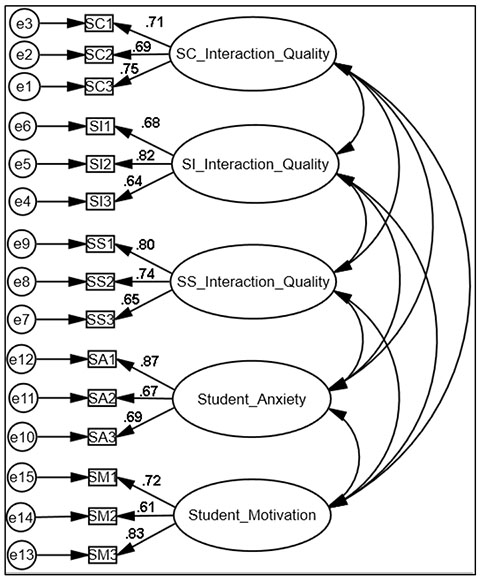
Convergent Validity of the Research Instrument. Convergent validity was assessed following Fornell and Larcker (1981) and Hair et al. (2010), with average variance extracted (AVE) ≥ .50, composite reliability (CR) > .70, and factor loadings > .60. All dimensions met these criteria (see Figure 2 and Table 3), indicating adequate convergent validity.
Discriminant Validity of the Research Instrument. Discriminant validity was assessed following Fornell and Larcker (1981), with the square root of the average variance extracted (√AVE) for each dimension exceeding its inter-dimension correlations (see Table 3), indicating adequate discriminant validity.
Reliability of the Research Instrument. Cronbach’s alpha (α) and composite reliability (CR) were used to assess internal consistency. Following Hair et al. (2017), CR values ≥ .60 are acceptable; in this study, CR ranged from .76 to .79, indicating satisfactory reliability. Cronbach’s alpha ranged from .66 to .73. Although two constructs fell slightly below the .70 threshold (Nunnally, 1978), lower values are common in short scales with few items.
Table 3
Results of Convergent and Discriminant Validity and Composite Reliability of the Research Instrument
| Dimension | α | CR | AVE | √AVE | Inter-dimension correlation | ||||
| SC | SI | SS | SA | SM | |||||
| SC | 0.67 | 0.76 | 0.51 | 0.71 | 1 | .39 | .44 | -.44 | .33 |
| SI | 0.70 | 0.76 | 0.52 | 0.72 | .39 | 1 | .27 | -.40 | .13 |
| SS | 0.72 | 0.78 | 0.54 | 0.73 | .44 | .27 | 1 | -.39 | .46 |
| SA | 0.73 | 0.79 | 0.56 | 0.75 | -.44 | -.40 | -.39 | 1 | -.35 |
| SM | 0.66 | 0.77 | 0.53 | 0.73 | .33 | .13 | .46 | -.35 | 1 |
Common Method Bias. Harman’s single-factor test indicated that no single factor accounted for the majority of the variance, with the single factor explaining approximately 26.1% of the total variance. In addition, a common latent factor analysis revealed minimal changes (< .20) in standardized loadings, suggesting that common method bias was unlikely to be a serious concern.
Prior to analysis, goodness-of-fit measures—including chi-square/degree of freedom (χ2/df), goodness-of-fit index (GFI), adjusted goodness-of-fit index (AGFI), normalized fit index (NFI), incremental fit index (IFI), comparative fit index (CFI), and standardized root mean square residual (SRMR)—were used to assess model fit. All values met recommended criteria (see Table 4), indicating a reasonable fit.
Table 4
Goodness-of-Fit Measures and Values for the Research Model
| Goodness-of-fit measure | Recommended criterion | Research model value |
| χ2/df | Low as 2 or high as 5 (Marsh & Hocevar, 1985) | 2.83 |
| GFI | > 0.95 (Byrne, 1994) | 0.96 |
| AGFI | > 0.90 (Byrne, 1994) | 0.91 |
| NFI | > 0.90 (Byrne, 1994) | 0.92 |
| IFI | > 0.90 (Bollen, 1989) | 0.91 |
| CFI | > 0.90 (Bentler, 1990) | 0.93 |
| SRMR | < 0.08 (Hu & Bentler, 1999) | 0.05 |
Structural equation modeling (SEM) assumptions were examined prior to analysis. Tolerance and variance inflation factor (VIF) values indicated no multicollinearity, as tolerances did not approach zero (Tabachnick & Fidell, 2007) and VIFs did not exceed 5 or 10 (James et al., 2013) (see Tables 5 and 6). Histograms and normal Q-Q plots supported the assumption of normality. Scatterplots of standardized predicted values against standardized residuals for the anxiety and motivation models (Figures 3 and 4) showed random dispersion around zero with no systematic curvature and approximately constant variance, supporting the assumptions of linearity and homoscedasticity.
The research hypotheses were tested using structural equation modeling (SEM) in AMOS. Direct and indirect relationships were tested using 2,000 bootstrap samples with bias-corrected 95% confidence intervals. Using Cohen’s (1988) multiple regression framework, the statistical power exceeded .99 for both student motivation (R2 = .26, four predictors, N = 140) and student anxiety (R2 = .29, three predictors) at α = .05.
Table 5
Multicollinearity Diagnostics for the Model Predicting Student Anxiety
| Independent variable | Tolerance | VIF |
| SC | 0.73 | 1.38 |
| SI | 0.83 | 1.20 |
| SS | 0.80 | 1.26 |
Table 6
Multicollinearity Diagnostics for the Model Predicting Student Motivation
| Independent variable | Tolerance | VIF |
| SC | 0.68 | 1.47 |
| SI | 0.78 | 1.29 |
| SS | 0.76 | 1.32 |
| SA | 0.71 | 1.41 |
Figure 3
Scatterplot of Standardized Predicted Values and Standardized Residuals for the Model Predicting Student Anxiety
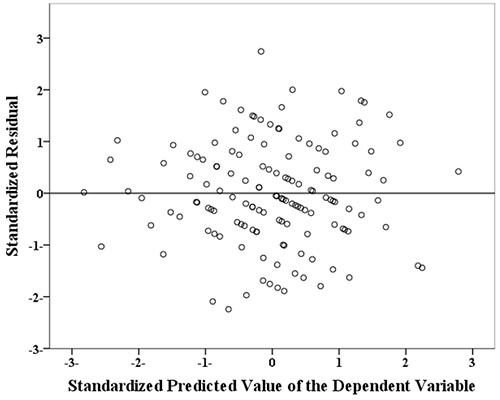
Figure 4
Scatterplot of Standardized Predicted Values and Standardized Residuals for the Model Predicting Student Motivation
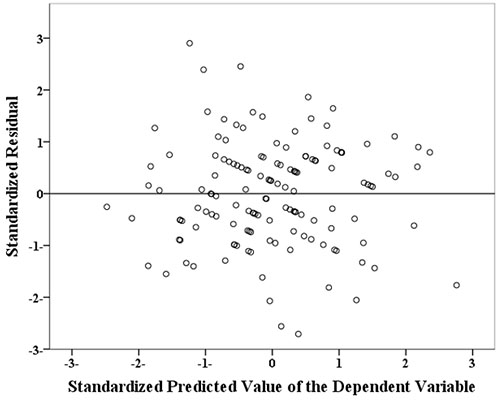
Table 7 presents the results of the mediation analysis that examined students’ perceived anxiety in the relationships between the quality of SC, SI, and SS interactions, as well as students’ perceived motivation in online learning. SC and SI interaction qualities were significantly associated with anxiety (SC → anxiety: β = -0.25, p = .002; SI → anxiety: β = -0.24, p = .002), and anxiety was significantly associated with motivation ( β = -0.20, p = .022). However, the direct relationships between SC and SI interaction qualities and motivation were not significant (SC → motivation: β = 0.13, p = .153; SI → motivation: β = 0.09, p = .261). Their indirect relationships with motivation through anxiety were significant (SC → anxiety → motivation: β = 0.05, p = .021, 95% CI [.01, .16]; SI → anxiety → motivation: β = 0.05, p = .015, 95% CI [.01, .13]), indicating full mediation. SS interaction quality was significantly associated with anxiety (SS → anxiety: β = −0.21, p = .009), which in turn was significantly associated with motivation. The direct association between SS interaction quality and motivation remained significant (SS → motivation: β = 0.35, p = .008). The indirect association via anxiety was also significant (SS → anxiety → motivation: β = 0.04, p = .037, 95% CI [.01, .13]), indicating partial mediation. The model explained 26% of the variance in motivation and 29% in anxiety, indicating moderate explanatory power.
Table 7
Results of the Structural Path Analysis and Mediation Testing of the Research Model
| Hypothesis | Path type | β | p | 95% CI | Hypothesis supported? | Mediation type | |
| LL | UL | ||||||
| H1: anxiety → motivation | Direct | -.20 | .022 | -.38 | -.02 | Yes | - |
| H2: SC → anxiety | Direct | -.25 | .002 | -.45 | -.05 | Yes | - |
| H3: SC → motivation | Direct | .13 | .153 | -.04 | .30 | No | - |
| H8: SC → anxiety → motivation | Indirect | .05 | .021 | .01 | .16 | Yes | Full |
| H4: SI → anxiety | Direct | -.24 | .002 | -.40 | -.10 | Yes | - |
| H5: SI → motivation | Direct | .09 | .261 | -.26 | .08 | No | - |
| H9: SI → anxiety → motivation | Indirect | .05 | .015 | .01 | .13 | Yes | Full |
| H6: SS → anxiety | Direct | -.21 | .009 | -.40 | -.02 | Yes | - |
| H7: SS → motivation | Direct | .35 | .008 | .15 | .53 | Yes | - |
| H10: SS → anxiety → motivation | Indirect | .04 | .037 | .01 | .13 | Yes | Partial |
Note. R2 for student motivation = .26; R2 for student anxiety = .29; LL = lower limit; UL = upper limit.
This study examined how interaction quality—conceptualized through SDT principles of autonomy, competence, and relatedness—was associated with student motivation in online learning through anxiety. It investigated whether anxiety statistically mediated the relationships between each of SC, SI, and SS interaction quality and student motivation.
The findings indicated that anxiety fully mediated the relationship between SC interaction and motivation. The significant negative association between SC interaction quality and anxiety aligned with prior research in which well-designed, interactive learning environments were associated with lower levels of reported anxiety (Wang, 2024). Within SDT, clear expectations and structured content may be associated with greater perceived competence (Martin et al., 2018), while asynchronous materials may be positively associated with autonomy through flexible engagement (Jacobi, 2018). Incorporating appropriate synchronous materials may correspond with stronger perceptions of relatedness (Jacobi, 2018). The absence of a significant direct path from SC interaction quality to motivation suggested that the association between SC interaction quality and motivation may have operated primarily through students’ emotional experiences rather than through a direct motivational pathway.
A similar pattern emerged for SI interaction quality, where anxiety fully mediated its association with motivation. Supportive and responsive instructor communication may be associated with lower uncertainty and isolation, which are commonly linked to anxiety in online learning contexts. Timely and constructive feedback has been positively associated with perceived competence (Jacobi, 2018; Martin et al., 2018; Shank et al., 2025). Synchronous communication channels—such as virtual classrooms, chats, or phone calls—have been linked to perceived relatedness through real-time interaction (Jacobi, 2018; Martin et al., 2018; Conklin & Dikkers, 2021; Majewska & Zvobgo, 2023), while asynchronous communication channels such as e-mail or forums have been positively associated with perceived autonomy, as they allowed students to engage on their own terms (Conklin & Dikkers, 2021; Glazier, 2016). These elements have also been linked to lower anxiety and a more supportive learning environment in which SI interaction quality was positively associated with student motivation. The non-significant direct path indicated that the association between SI interaction quality and motivation was largely explained by anxiety. This pattern suggested that instructor interaction may be associated with motivation primarily through students’ emotional regulation rather than through a direct motivational pathway.
The findings showed that anxiety partially mediated the relationship between SS interaction and student motivation, indicating that SS interaction quality was associated with motivation both directly and indirectly through anxiety. From an SDT perspective, asynchronous communication tools, such as discussion forums and peer e-mail lists, have been positively associated with perceived autonomy by allowing students to engage at their own pace (Jacobi, 2018; Martin et al., 2018), while synchronous communication tools—such as virtual student sessions and group chats—have been linked to perceived relatedness through real-time interaction (Jacobi, 2018; Shank et al., 2025). Collaborative problem-solving activities are associated with perceived competence (Martin et al., 2018; Shank et al., 2025). Although higher-quality SS interaction was associated with lower anxiety, the significant direct path suggested that peer interaction may relate to motivation through additional social mechanisms—such as belonging or social presence—that extend beyond anxiety. SS interaction quality may be particularly connected to relatedness, which may be associated with motivation independently of anxiety.
Taken together, the findings suggested that different forms of interaction may operate through distinct psychological pathways within the SDT framework. SC and SI interactions appear to be closely linked to emotional regulation processes, whereas SS interaction may be more strongly connected to relatedness-based social mechanisms that extend beyond anxiety. This distinction advances our theoretical understanding by demonstrating that interaction types are not functionally equivalent in their associations with motivation.
The findings showed that anxiety differentially mediated the relationships between types of interaction quality and motivation. Anxiety fully mediated the relationships between SC and SI interactions and motivation, indicating these interactions related to motivation primarily through anxiety. For SS interaction, anxiety partially mediated the relationship, suggesting that peer interaction related to motivation through additional emotional or social factors beyond anxiety.
This study advanced online learning research by demonstrating that SC, SI, and SS interaction quality were not functionally equivalent in their associations with anxiety and motivation. While prior SDT-informed research has often treated interaction quality as a unified construct, the present findings distinguished full mediation for SC and SI interaction quality from partial mediation for SS interaction quality. This distinction suggested that SC and SI interaction quality may be linked to motivation primarily through emotional regulation processes, whereas SS interaction quality may operate through additional social mechanisms, such as belonging or social presence. By differentiating these pathways, the study refined our theoretical understanding of interaction quality within SDT and contributed to a more nuanced model of motivational processes in online learning contexts.
The findings of this study offer practical implications for instructional designers and instructors. For SC interaction quality, the full mediation pattern suggests that online courses may include asynchronous learning materials that support autonomy, explicit guidance on performance, participation, and communication to support competence, as well as synchronous learning activities that support relatedness. For SI interaction quality, the full mediation pattern suggests that instructors may maintain asynchronous communication channels (e.g., e-mail, forums) to support autonomy, synchronous communication channels (e.g., virtual classrooms, phone calls) to support relatedness, and timely, constructive feedback on assignments and inquiries to support competence. The partial mediation observed for SS interaction suggested that peer activities and communication channels should be designed to support not only anxiety-related processes but also broader social dimensions such as belonging and relatedness.
This study had several methodological limitations. The use of a convenience sample from a single public university in Saudi Arabia limited the generalizability of the findings to other cultural or educational settings. The sample was predominantly male students enrolled in virtual courses, which may have limited the generalizability of the results. The study data were self-reported, which may have introduced response biases. The researcher did not control instructors’ course design, which may have contributed to variability in students’ perceptions of interaction quality, anxiety, and motivation. This study was limited by the exclusive use of an SDT-informed framework to measure the three forms of interaction quality. Each construct in the instrument was measured using only three items, which may not have fully captured its breadth. This study employed a cross-sectional design, which precluded causal inference. Finally, focusing solely on anxiety as a mediator limited consideration of other relevant mediators or covariates.
Future research could expand on the findings of this study in several ways. First, replicating the findings across institutions, digital platforms, academic levels, cultural contexts, and more gender-balanced samples would help assess the generalizability of the observed mediation patterns. Second, incorporating qualitative methods could complement self-reported data and help reduce potential response bias. Third, future studies could control course design features to improve internal validity when examining associations among interaction quality, student anxiety, and motivation. Fourth, this study adopted an SDT-informed framework; future research could extend this work by comparing alternative theoretical models, such as social-cognitive or control-value theories. Fifth, future research could use longer and more comprehensive measurement scales to capture the constructs more fully and strengthen measurement validity. Sixth, experimental or quasi-experimental designs could be employed to examine the effect of SDT-informed interaction quality on student anxiety and motivation. Finally, future research could examine additional emotional, social, cognitive, demographic, or contextual mediators or covariates to further clarify the mechanisms linking interaction quality and student motivation.
The data collected and analyzed during the current study are available from the author upon reasonable request.
Abrami, P. C., Bernard, R. M., Bures, E. M., Borokhovski, E., & Tamim, R. M. (2011). Interaction in distance education and online learning: Using evidence and theory to improve practice. Journal of Computing in Higher Education, 23, 82-103. https://doi.org/10.1007/s12528-011-9043-x
Alqurashi, E. (2018). Predicting student satisfaction and perceived learning within online learning environments. Distance Education, 40(1), 133-148. https://doi.org/10.1080/01587919.2018.1553562
Baldwin, S., Ching, Y.-H., & Hsu, Y.-C. (2018). Online course design in higher education: A review of national and statewide evaluation instruments. TechTrends, 62(1), 46-57. https://doi.org/10.1007/s11528-017-0215-z
Banna, J., Lin, M.-F. G., Stewart, M., & Fialkowski, M. K. (2015). Interaction matters: Strategies to promote engaged learning in an online introductory nutrition course. Journal of Online Learning and Teaching, 11(2), 249-261. https://jolt.merlot.org/Vol11no2/Banna_0615.pdf
Bentler, P. M. (1990). Comparative fit indexes in structural models. Psychological Bulletin, 107(2), 238-246. https://doi.org/10.1037/0033-2909.107.2.238
Bernard, R. M., Abrami, P. C., Borokhovski, E., Wade, C. A., Tamim, R. M., Surkes, M. A., & Bethel, E. C. (2009). A meta-analysis of three types of interaction treatments in distance education. Review of Educational Research, 79(3), 1243-1289. https://doi.org/10.3102/0034654309333844
Bollen, K. A. (1989). A new incremental fit index for general structural equation models. Sociological Methods & Research, 17(3), 303-316. https://doi.org/10.1177/0049124189017003004
Byrne, B. M. (1994). Structural equation modeling with EQS and EQS/Windows. Sage Publications.
Çebi, A. (2023). How e-learning readiness and motivation affect student interactions in distance learning? Education and Information Technologies, 28, 2941-2960. https://doi.org/10.1007/s10639-022-11312-0
Cohen, J. (1988). Statistical power analysis for the behavioral sciences (2nd ed.). Lawrence Erlbaum Associates. https://doi.org/10.4324/9780203771587
Conklin, S., & Dikkers, A. G. (2021). Instructor social presence and connectedness in a quick shift from face-to-face to online instruction. Online Learning, 25(1), 135-150. https://doi.org/10.24059/olj.v25i1.2482
Deci, E. L., & Ryan, R. M. (1985). Intrinsic motivation and self-determination in human behavior. Springer. https://doi.org/10.1007/978-1-4899-2271-7
Esra, M., & Sevilen, Ç. (2021). Factors influencing EFL students’ motivation in online learning: A qualitative case study. Journal of Educational Technology and Online Learning, 4(1), 11-22. https://dergipark.org.tr/en/pub/jetol/issue/60134/817680
Fornell, C., & Larcker, D. F. (1981). Evaluating structural equation models with unobservable variables and measurement error. Journal of Marketing Research, 18(1), 39-50. https://doi.org/10.2307/3151312
Glazier, R. A. (2016). Building rapport to improve retention and success in online classes. Journal of Political Science Education, 12(4), 437-456. https://doi.org/10.1080/15512169.2016.1155994
Hair, J. F., Black, W. C., Babin, B. J., & Anderson, R. E. (2010). Multivariate data analysis: A global perspective. Pearson.
Hair, J. F., Hult, G. T. M., Ringle, C. M., & Sarstedt, M. (2017). A primer on partial least squares structural equation modeling (PLS-SEM). Sage Publications.
Hartnett, M. K. (2015). Influences that undermine learners’ perceptions of autonomy, competence and relatedness in an online context. Australasian Journal of Educational Technology, 31(1). https://doi.org/10.14742/ajet.1526
He, J., Wang, Q., & Lee, H. (2025). Enhancing online learning engagement: Teacher support, psychological needs satisfaction, and interaction. BMC Psychology, 13, 696. https://doi.org/10.1186/s40359-025-03016-0
Hsu, H.-C. K., Wang, C. V., & Levesque-Bristol, C. (2019). Reexamining the impact of self-determination theory on learning outcomes in the online learning environment. Education and Information Technology, 24, 2159-2174. https://doi.org/10.1007/s10639-019-09863-w
Hu, L., & Bentler, P. M. (1999). Cutoff criteria for fit indexes in covariance structure analysis: Conventional criteria versus new alternatives. Structural Equation Modeling: A Multidisciplinary Journal, 6(1), 1-55. https://doi.org/10.1080/10705519909540118
Huang, Y., & Wang, S. (2023). How to motivate student engagement in emergency online learning? Evidence from the COVID-19 situation. Higher Education, 85, 1101-1123. https://doi.org/10.1007/s10734-022-00880-2
Jacobi, L. (2018). What motivates students in the online communication classroom? An exploration of self-determination theory. Journal of Educators Online, 15(2). https://doi.org/10.9743/jeo.2018.15.2.1
James, G., Witten, D., Hastie, T., & Tibshirani, R. (2013). An introduction to statistical learning with applications in R. Springer. https://doi.org/10.1007/978-1-4614-7138-7
Jung, E., Samuel, A., & Ma, T. (2025). Beyond motivation: The critical role of learner interaction in MOOCs. American Journal of Distance Education, 1-22. https://doi.org/10.1080/08923647.2025.2474295
Kulal, A., N, A., & Dinesh, S. (2025). Online peer interactions and student motivation: A perception study. Behaviour & Information Technology, 44(18), 1-21. https://doi.org/10.1080/0144929X.2025.2477756
Li, Z., Guan, P., Li, J., & Wang, J. (2024). Comparing online and offline Chinese EFL learners’ anxiety and emotional engagement. Acta Psychologica, 242, Article e104114, https://doi.org/10.1016/j.actpsy.2023.104114
Limbu, Y. B., & McKinley, C. (2025). Factors associated with student engagement in online learning during COVID-19 pandemic: A systematic review. Online Learning, 29(1), 293-325. https://doi.org/10.24059/olj.v29i1.4221
Lin, C.-H., Zhang, Y., & Zheng, B. (2017). The roles of learning strategies and motivation in online language learning: A structural equation modeling analysis. Computers & Education, 113, 75-85. https://doi.org/10.1016/j.compedu.2017.05.014
Lu, K., Zhu, J., Pang, F., & Liu, Z. (2024). Understanding college students’ test anxiety in asynchronous online courses: the mediating role of emotional engagement. International Journal of Educational Technology in Higher Education, 21, Article 50. https://doi.org/10.1186/s41239-024-00482-1
Mahmood, S. (2021). Instructional strategies for online teaching in COVID‐19 pandemic. Human Behavior and Emerging Technologies, 3(1), 199-203. https://doi.org/10.1002/hbe2.218
Majewska, I., & Zvobgo, V. (2023). Students’ satisfaction with the quality of synchronous online learning under the COVID-19 pandemic: Perceptions from liberal arts and science undergraduates. Online Learning, 27(1), 313-335. https://doi.org/10.24059/olj.v27i1.3201
Marsh, H. W., & Hocevar, D. (1985). Application of confirmatory factor analysis to the study of self-concept: First- and higher order factor models and their invariance across groups. Psychological Bulletin, 97(3), 562-582. https://doi.org/10.1037/0033-2909.97.3.562
Martin, F., & Bolliger, D. U. (2018). Engagement matters: Student perceptions on the importance of engagement strategies in the online learning environment. Online Learning, 22(1), 205-222. https://doi.org/10.24059/olj.v22i1.1092
Martin, F., & Bolliger, D. U. (2022). Designing online learning in higher education. In O. Zawacki-Richter & I. Jung (Eds.), Handbook of open, distance and digital education (pp. 1-22). Springer. https://doi.org/10.1007/978-981-19-0351-9_72-1
Martin, F., Bolliger, D. U., & Flowers, C. (2021). Design matters: Development and validation of the online course design elements (OCDE) instrument. The International Review of Research in Open and Distributed Learning, 22(2), 46-71. https://doi.org/10.19173/irrodl.v22i2.5187
Martin, F., Polly, D., & Ritzhaupt, A. (2020, September 8). Bichronous online learning: Blending synchronous and synchronous online learning. EDUCAUSE Review. https://er.educause.edu/articles/2020/9/bichronous-online-learning-blending-asynchronous-and-synchronous-online-learning
Martin, F., Ritzhaupt, A., Kumar, S., & Budhrani, K. (2019). Award-winning faculty online teaching practices: Course design, assessment and evaluation, and facilitation. The Internet and Higher Education, 42, 34-43. https://doi.org/10.1016/j.iheduc.2019.04.001
Martin, F., Wang, C., & Sadaf, A. (2020). Facilitation matters: Instructor perception of helpfulness of facilitation strategies in online courses. Online Learning, 24(1), 28-49. https://doi.org/10.24059/olj.v24i1.1980
Martin, N., Kelly, N., & Terry, P. (2018). A framework for self-determination in massive open online courses: Design for autonomy, competence, and relatedness. Australasian Journal of Educational Technology, 34(2). https://doi.org/10.14742/ajet.3722
Moore, M. G. (1989). Editorial: Three types of interaction. American Journal of Distance Education, 3(2), 1-7. https://doi.org/10.1080/08923648909526659
Nieuwoudt, J. (2018). Exploring online interaction and online learner participation in an online science subject through the lens of the interaction equivalence theorem. Student Success, 9(4), 53-62. https://doi.org/10.5204/ssj.v9i4.520
Nunnally, J. C. (1978). Psychometric theory. McGraw-Hill.
Ormrod, J. E. (2008). Human learning (5th ed.). Pearson Prentice Hall.
Peng, R., Wang, S., & Liu, N. (2024). Factors influencing Chinese EFL students’ online learning anxiety in the post-COVID-19 era. Heliyon, 10(4), Article e26112. https://doi.org/10.1016/j.heliyon.2024.e26112
Quadir, B., Yang, J. C., & Chen, N. S. (2019). The effects of interaction types on learning outcomes in a blog-based interactive learning environment. Interactive Learning Environments, 30(2), 293-306. https://doi.org/10.1080/10494820.2019.1652835
Ritzhaupt, A. D., Rehman, M., Wilson, M. L., & Ruggles, K. (2022). Exploring the factors associated with undergraduate students’ online learning anxiety: Development of the online learner anxiety scale. Online Learning, 26(3), 111-131. https://doi.org/10.24059/olj.v26i3.2810
Ryan, R. M., & Deci, E. L. (2017). Self-determination theory: Basic psychological needs in motivation, development, and wellness. The Guilford Press. https://doi.org/10.1521/978.14625/28806
Sapnas, K. G. & Zeller, R. A. (2002). Minimizing sample size when using exploratory factor analysis for measurement. Journal of Nursing Measurement, 10(2), 135-153. https://doi.org/10.1891/jnum.10.2.135.52552
Shank, E., Tang, H., & Morris, W. (2025). Motivation in online course design using self-determination theory: An action research study in a secondary mathematics course. Educational Technology Research and Development, 73, 415-441. https://doi.org/10.1007/s11423-024-10410-9
Stark, E. (2019). Examining the role of motivation and learning strategies in student success in online versus face-to-face courses. Online Learning, 23(3), 234-251. https://doi.org/10.24059/olj.v23i3.1556
Tabachnick, B. G., & Fidell, L. S. (2007). Using multivariate statistics. Pearson Education.
Wagner, E. D. (1994). In support of a functional definition of interaction. American Journal of Distance Education, 8(2), 6-29. https://doi.org/10.1080/08923649409526852
Wang, X., Hassan, A. B., Shwu Pyng, H., Ye, H., & Aminuddin, A. A. (2024). The impact of perceived quality of online interaction on satisfaction of international student interactions in higher education. Cogent Education, 11(1). https://doi.org/10.1080/2331186X.2023.2293454
Wang, Y. (2024). An interactive online educational environment to reduce anxiety, improve emotional well-being, and critical thinking for college students. Acta Psychologica, 248, Article e104347. https://doi.org/10.1016/j.actpsy.2024.104347
Wut, T. M., & Wong, S M. H. (2024). Does online class student interactions mitigate distress and anxiety problems during the post-pandemic period? Perspective from the conservation of resources theory. Learning Environment Research, 27, 995-1011. https://doi.org/10.1007/s10984-024-09516-x
Xia, Y., Hu, Y., Wu, C., Yang, L., & Lei, M. (2022). Challenges of online learning amid the COVID-19: College students’ perspective. Frontiers in Psychology, 13, Article e1037311. https://doi.org/10.3389/fpsyg.2022.1037311
Xu, T., & Wang, H. (2023). High prevalence of anxiety, depression, and stress among remote learning students during the COVID-19 pandemic: Evidence from a meta-analysis. Frontiers in Psychology, 13, Article e1103925. https://doi.org/10.3389/fpsyg.2022.1103925
Yamagata-Lynch, L. C. (2014). Blending online asynchronous and synchronous learning. The International Review of Research in Open and Distributed Learning, 15(2). https://doi.org/10.19173/irrodl.v15i2.1778
Zimmerman, T. D. (2012). Exploring learner to content interaction as a success factor in online courses. The International Review of Research in Open and Distributed Learning, 13(4), 152-165. https://doi.org/10.19173/irrodl.v13i4.1302

Does Interaction Quality Enhance Motivation Among Online Postsecondary Students? Exploring the Mediating Role of Anxiety by Moatasim A. Barri is licensed under a Creative Commons Attribution 4.0 International License.